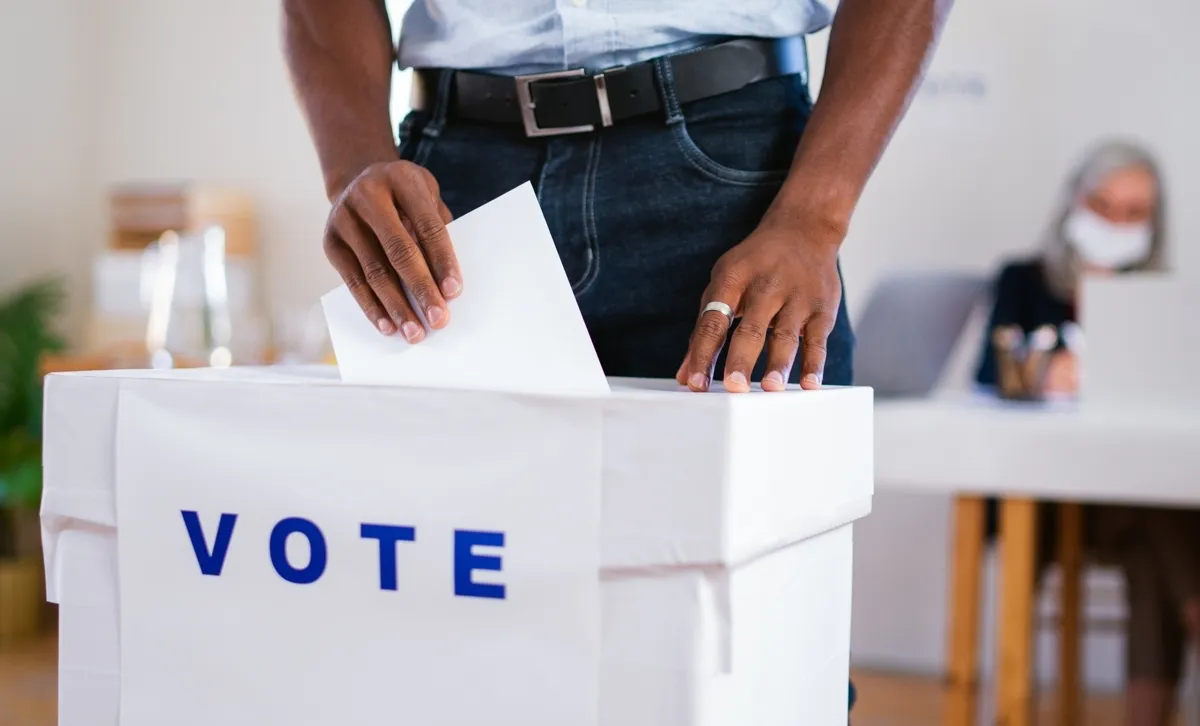
Every Judge on Your Ballot Shapes the Rights You Have
Most voters assume our consumer protection laws are only decided in Lansing, where our representatives and senators write the rules. But a law is only as strong as the judges who interpret it. In Michigan, you elect those judges, and this November, two judges on the Michigan Supreme Court are up for a vote.
Here's why that matters to your wallet, your health, and your family.
The Supreme Court sets the rules. For 27 years, a Michigan Supreme Court interpretation let entire regulated industries, from insurers to car dealers, sidestep the Michigan Consumer Protection Act. This July, the court reversed course and restored those protections. If we had different judges on the Supreme Court, our Consumer Protection Act may still be practically worthless.
Six candidates are competing for two seats. Before you vote, look at each candidate's record: How have they ruled when consumers took on powerful companies? Nonpartisan resources like the League of Women Voters' Vote411.org and Bridge Michigan's election guide can help.
Local judges decide your case. Most consumers will never reach the Supreme Court. Your landlord dispute, debt collection lawsuit, small claims case, or a loved one's estate or guardianship is decided by your district, circuit, or probate judge. And most appeals end at the Court of Appeals. These judges decide whether a company is held accountable and whether you get a fair hearing.
Don’t Skip the Back of the Ballot
Michigan Supreme Court races appear in the nonpartisan section of the ballot. Even though these candidates are nominated by political parties, a straight-ticket vote does not count toward judges. If you leave that section blank, you haven't voted in those races.
The nonpartisan section also includes the judges for the Court of Appeals and those in your local courts, who are the judges hearing your landlord disputes, debt collection cases, and small claims. Make sure to fill out every section!
Know Your Deadlines!
October 19: Last day to register online or by mail
October 24 to November 1: Early in-person voting
October 30, 5 p.m.: Last day to request an absentee ballot online
Note: While you can submit your absentee ballot up until the Friday before election day, we recommend that absentee ballots should be requested by October 20th, as they may not be returned in time for the election following that date. If it is within two weeks of Election Day, voters are strongly encouraged to request an absentee ballot in person.
November 3: Election Day. You can still register in person with proof of residency and vote the same day.
November 3rd, 8 p.m.: Deadline for an absentee ballot to be received by a voter's local clerk's office.
Note: Military and overseas ballots are an exception, as these must be postmarked on or before Election Day and received by their local clerk within 6 days after the election in order to be counted.
Click here to make sure you are registered to vote!